
"Spinal misalignment" and "subluxation" are terms chiropractors use for a spinal joint that is not moving well or has become irritated. It does not mean a bone is out of place. A joint in this state can cause local pain and stiffness, make the surrounding muscles tighten, and change the way you sit, bend and lift. At WellCare Medical in Bradford West Gwillimbury, chiropractic adjustments are used to restore normal movement to these joints.
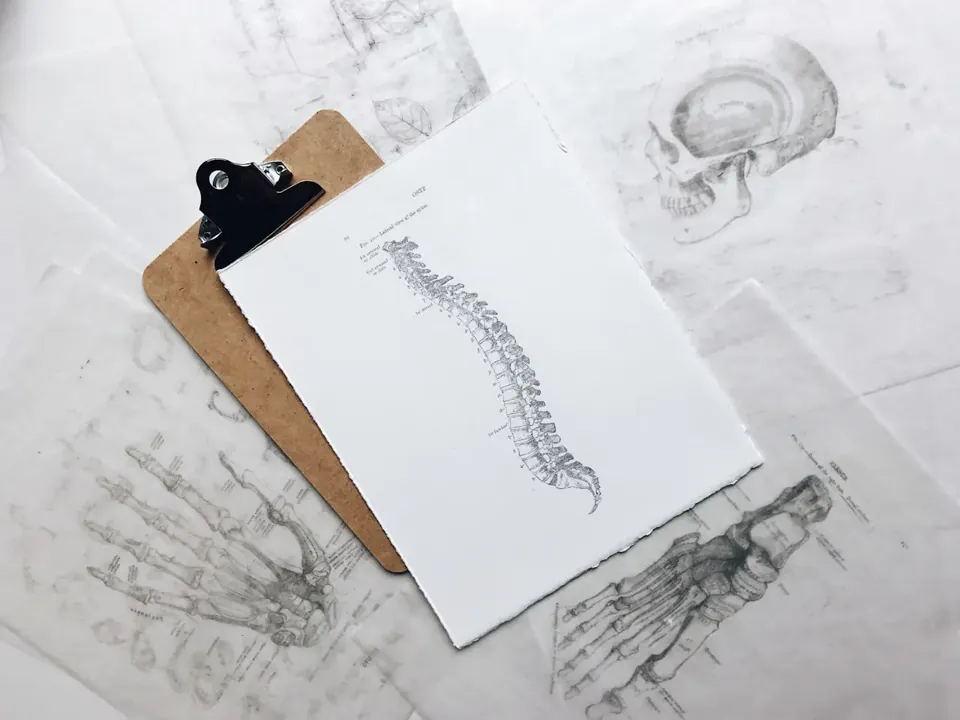
How spinal joints become restricted
- sitting for long periods, especially in a slumped position
- repetitive bending, lifting or twisting
- a sudden strain, a fall or a car accident
- sleeping awkwardly
- stress and muscle tension that hold one area still
Common signs
- a specific spot in the back or neck that feels stuck or tender
- stiffness when turning or bending in one direction
- an ache that eases when you move and returns when you sit still
- tight muscles on one side of the spine
- headaches that start in the neck
What happens during a chiropractic adjustment
Your chiropractor first checks how each part of your spine moves and where it is tender. For each restricted joint they position you comfortably and apply a quick, precise movement by hand. You may hear a click as gas releases from the joint. Most people feel looser afterwards.
A typical visit also includes soft-tissue work for the surrounding muscles, posture advice and one or two exercises that reinforce the adjustment.
Benefits people commonly report
- less pain and stiffness in the treated area
- easier turning, bending and reaching
- less muscle tightness
- sitting or standing comfortably for longer
Results vary from person to person and depend on how long the problem has been there. Adjustments work best as part of a plan that includes movement and strengthening.
Is an adjustment safe?
Before any adjustment your chiropractor reviews your health history and examines you to make sure the technique is appropriate. Mild soreness for a day afterwards is the most common side effect. If an adjustment is not suitable, for example with osteoporosis or an acutely irritated disc, gentler methods are used instead.
When to see a doctor first about spinal joint problems
See a doctor for back or neck pain after a significant injury, pain with fever or unexplained weight loss, numbness or weakness in your arms or legs, or any loss of bladder or bowel control.
Other treatments for spinal joint problems
Read about the conditions we treat with adjustments: back and neck stiffness, tension-related headaches, muscle spasms and poor posture. If you have been told you have nerve interference, see adjustments and nerve irritation. For a full treatment plan, see our chiropractor in Bradford, or combine adjustments with massage therapy and physiotherapy.
Common questions about adjustments for spinal misalignments
What is a subluxation?
In chiropractic it describes a spinal joint that is restricted or not moving normally, along with the muscle tension and tenderness around it. It is different from the medical use of the word, which means a partial dislocation.
How many adjustments will I need?
That depends on how long the joint has been restricted and what caused it. We set out a recommended number of visits after your assessment and review it as you improve.
Do I have to keep coming back once I start?
No. The aim is to resolve the problem and give you the exercises to manage it. Some people choose occasional visits afterwards, and that is their decision.
Reviewed by the WellCare Medical clinical team, October 2026.
More from Chiropractic Adjustments in Bradford
- Chiropractic Adjustments in Bradford
- Chiropractic Adjustments for Back & Neck Stiffness
- Chiropractic Adjustments for Muscle Spasms
- Chiropractic Adjustments for Nervous System Interference
- Chiropractic Adjustments for Pinched Nerves
- Chiropractic Adjustments for Poor Posture or Uneven Gait
- Chiropractic Adjustments for Restricted Joint Mobility
- Chiropractic Adjustments for Tension-Related Headaches